
National Blueprint · One of 195

Brazil

A nation of 212.8 million that holds 58.5% of its land in forest and 26,918 cubic metres of renewable fresh water for every citizen.

  • 58.5%Of land under forest
  • 10Financing instruments on record
  • 77%Of electricity from renewables, 2021
Brazil in BloomTo be painted · The Gallery
Perfect Nations™ · Letters to the NationsBrazil

Dear Brazil,

You hold more than half your land in forest, about 4.9 million square kilometres of it, and 26,918 cubic metres of renewable fresh water for each of you. … You have built a fund that pays nations to keep their forests standing. Build the one that pays your own citizens to stand above the Living Line.

“You built a fund that pays the world to keep forests standing. Build the one that keeps every citizen above the Living Line.”

Yours in design,The Steward-General Read the full letter
Sovereign Assets

Five assets no balance sheet counts.

Each is owned today, earns today, and can carry more of the Living Line than it does.

  • 01

    The Forest

    58.5%Of land under forest, 2024

    About 4.9 million km² of forest, now valued alive by a fund Brazil designed.

  • 02

    The Water

    26,918 m³Renewable fresh water per person, 2022

    Basic drinking water reaches almost every citizen.

  • 03

    The Clean Grid

    77.4%Of electricity from renewables, 2021

    Rivers, wind and sun already power most of the nation.

  • 04

    The Land

    28.4%Of land in agriculture, 2024

    About 2.37 million km² farmed, beside a forest twice its size.

  • 05

    The Forest Fund

    $7.3BCommitted to the TFFF, Sept 2026

    Launched by Brazil at COP30 in Belém, November 2025, to pay for forest kept standing.

What each asset is worth, and how much of the Living Line it can carry: in the mandate Sovereign Assets

Capital Architecture

Ten instruments. A forest fund designed in Brazil, and a World Bank programme built state by state.

Brazil has designed a global instrument for its greatest asset and borrows from the World Bank through its states. The instrument nearest the Living Line is the one that protects family incomes.

Open any line for the detail and its source.

  • ActiveTropical Forest Forever FacilityLaunched 6 November 2025, COP30 Belém · Commitments as of September 2026$7.3B

    Total committed after the United Kingdom’s GBP 400 million in September 2026

    A fund launched by the Brazilian COP30 presidency to pay tropical forest nations for forest kept standing. USD 5.5 billion was announced at launch, with 53 countries endorsing the launch declaration.

    Government of BrazilTropical forest nations and sponsor countries

    Source
  • ActiveState of Ceará Sustainable Development Policy LoanApproved 28 March 2024 · Development policy lending$541.9M

    Budget support to a state

    Improves the efficiency of public resources and promotes sustainable development through clean energy and skills training.

    World BankState of Ceará

    Source
  • ActiveSustainable Human Development Project in the State of ParáApproved 28 March 2024 · Investment project financing$350M

    Human development in the Amazon state

    Investment in human development in Pará, the Amazon state that hosted COP30.

    World BankState of Pará

    Source
  • ActiveSupport to the New Bolsa Família Conditional Cash Transfer ProgramApproved 6 December 2023 · Investment project financing$300M

    Income for low-income families with young children

    Protects the incomes of low-income families with young children and reduces risks to children’s human capital. It is the instrument nearest the standard furthest below the Living Line.

    World BankGovernment of Brazil

    Source
  • ActiveBahia Proactive, Safe and Resilient Road Asset ManagementApproved 10 September 2024 · Investment project financing$150M

    Rural roads

    Gives rural residents better access to services and markets through safer, climate-resilient roads.

    World BankState of Bahia

    Source
  • ActiveRio de Janeiro Fiscal Management and Sustainable Development Policy LoanApproved 16 November 2023 · Development policy lending$135.2M

    Budget support to a state

    Strengthens medium-term fiscal sustainability and shifts urban development towards low-carbon, resilient and inclusive models.

    World BankState of Rio de Janeiro

    Source
  • ActiveEnhancing Prosperity and Sustainability in the State of SergipeApproved 27 August 2024 · Development policy lending$110M

    Budget support to a state

    Supports fiscal health and public financial management, plus clean energy and climate resilience.

    World BankState of Sergipe

    Source
  • ActiveBahia Sustainable Rural Development ProjectApproved 7 November 2024 · Investment project financing$100M

    Family farms and rural water

    Raises farm productivity, market access and climate resilience for family farmers, and expands rural water access.

    World BankState of Bahia

    Source
  • ActivePernambuco Rural Water and Sanitation ProjectApproved 17 May 2024 · Investment project financing$90M

    Rural water and sanitation

    Extends reliable, climate-resilient water and sanitation services to rural communities.

    World BankState of Pernambuco

    Source
  • ActiveMato Grosso Sustainable Development of Family FarmingApproved 5 February 2024 · Investment project financing$80M

    Family farming

    Improves market access, climate resilience and land management for family farmers.

    World BankState of Mato Grosso

    Source

The Design Studio · Brazil

Three ways to begin.

This page is the finding. The work that turns it into a financed programme is done with the nation, at the depth the nation chooses.

The Living Line The basic standard of living every citizen should stand above: food, water, shelter, energy, education, health and livelihood.

  • 01 · The Session3 hours

    Find the break.

    Where does Brazil fall furthest below the Living Line, and why there?

    You leave withA written brief on income and health, the two standards furthest below the Living Line, and the assets that can carry them.

    Book the Session
  • 02 · The Engagement3 days

    Design one instrument.

    Which instrument would move the Living Line fastest, and on what terms?

    You leave withA draft term sheet: targets, structure and the counterparties to approach.

    Plan the Engagement
  • 03 · The MandateEnd to end

    Finance the Living Line.

    What would it take for every Brazilian to clear all seven standards?

    You leave withThe assets valued, the Living Line priced per citizen, the programme year by year, the instruments drafted and the institutions sequenced.

    Begin the mandate

State of Nations · Brazil

On the record.

All of State of Nations
Watching: commitments to the forest fund, and the next national poverty figures.

The office is open

Design the next Brazil.

For a ministry, a development bank or an investor. Every enquiry is read by the Steward-General.

Sources
  1. World Bank, World Development Indicators: population 2025 (212,812,405), land, forest and agriculture 2024, renewable freshwater per person 2022, renewable electricity output 2021, urban share 2025.
  2. Tropical Forest Forever Facility, news: launch at COP30, Belém, November 2025 (USD 5.5 billion announced; 53 endorsing countries); USD 7.3 billion committed, September 2026.
  3. World Bank project pages for each register entry, as linked.
  4. Coverage of the seven standards: FAO (food, 2024); WHO/UNICEF JMP (water, 2024); UN-Habitat (urban slums, 2022); World Bank (electricity access, 2024); UNESCO (pupil-teacher ratio, 2017); WHO UHC service coverage index (health, 2023); World Bank poverty headcount at $8.30 a day, 2021 PPP (livelihood, 2024).
Perfect Nations™ Strategic Blueprint

Brazil

A continental nature-power economy capable of converting forests, food systems, industry, energy, infrastructure, and biodiversity into a new model of green prosperity.

Nature Economy Green Industry Food Systems Renewable Energy Continental Logistics
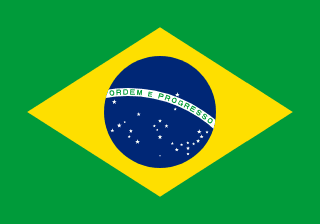
Brazil flag
Recommended Financing Structure

Nature-Industry Transition Facility

A blended capital platform linking forest protection, regenerative agriculture, green industry, logistics, renewable energy, and carbon/nature-linked value creation.

Brazil’s national opportunity is not simply to preserve nature or expand industry. It is to integrate both. The country can convert its unmatched natural assets, food systems, renewable power, biodiversity, industrial base, and domestic market into a capital architecture for green prosperity.

The central strategic task is to make forest protection, regenerative production, clean energy, green industry, logistics, and human capability investable at national scale. Brazil’s future advantage lies in becoming a country where nature and industry reinforce each other rather than compete.

National Assets

Brazil’s strategic assets are continental scale, nature, food, energy, industry, and culture.

Brazil has the rare ability to shape global markets across food, forests, energy, minerals, logistics, industry, tourism, biodiversity, and climate finance.

01

Amazon and Biodiversity Assets

Brazil holds one of the world’s most important natural capital bases, with global relevance for climate, water, biodiversity, and planetary stability.

02

Food and Agriculture Scale

Brazil can become a leader in regenerative agriculture, traceable supply chains, low-carbon food systems, and sustainable exports.

03

Renewable Energy Advantage

Hydropower, wind, solar, bioenergy, storage, and green hydrogen can anchor a low-carbon industrial transformation.

04

Industrial and Minerals Base

Brazil can upgrade steel, mining, mobility, chemicals, fertilizers, aviation, and advanced manufacturing through green industrial strategy.

05

Continental Logistics

Ports, rail, roads, waterways, storage, and trade corridors can unlock productivity across regions and connect nature-positive production to markets.

06

Culture and Global Brand

Brazil’s cultural power, tourism identity, creativity, and global visibility can support a high-value, nature-positive development narrative.

Core Constraints

The strategy must align national scale with credible execution, land-use integrity, and capital discipline.

Deforestation and land-use pressure
Infrastructure and logistics gaps
Regional inequality
Complex permitting and coordination
High cost of long-term capital
Climate and water risks
Industrial competitiveness challenge
Need for credible nature markets
Recommended National Strategy

The Brazil Nature-Industry Transition Strategy

Brazil’s national strategy should integrate forest protection, regenerative agriculture, green industry, renewable energy, logistics, minerals, cities, and capital-market innovation into one investable national transformation architecture.

01

Amazon and Forest Protection Economy

Finance forest protection, Indigenous and local community benefit-sharing, restoration, biodiversity, and credible nature-linked revenue models.

02

Regenerative Agriculture and Food Systems

Scale low-carbon agriculture, soil restoration, traceability, sustainable livestock, bio-inputs, irrigation, storage, and value-added food exports.

03

Green Industrial Corridors

Build green steel, low-carbon minerals, bioindustry, clean fuels, fertilizers, hydrogen, and industrial clusters powered by renewable energy.

04

Continental Logistics and Trade

Invest in rail, ports, waterways, cold chains, storage, and multimodal corridors that lower costs and connect regions to global markets.

05

Renewable Energy and Grid Modernization

Scale wind, solar, storage, transmission, bioenergy, distributed energy, and grid resilience to support green industry and reliable growth.

06

Nature-Positive Tourism and Cities

Link urban resilience, coastal protection, cultural assets, ecotourism, heritage, and creative industries into high-value regional development.

07

Carbon and Nature Market Integrity

Build credible standards, registries, benefit-sharing, monitoring, and safeguards for high-integrity carbon, biodiversity, and restoration finance.

08

Capital Markets and BNDES Delivery Platform

Coordinate sovereign instruments, BNDES, guarantees, private funds, state pipelines, and institutional investors through one national investment architecture.

Nature + Industry

Brazil’s future lies in making natural capital productive without destroying it.

The country can define a new development model for the world: protect nature, raise productivity, decarbonize industry, and mobilize capital at continental scale.

Best Innovative Finance Structure

Brazil Nature-Industry Transition Facility

A national blended-finance platform that channels long-term public, private, institutional, philanthropic, and multilateral capital into nature-positive industrial transformation.

Capital Sources

  • Sovereign sustainable bonds
  • BNDES and development finance
  • Brazil Investment Platform pipelines
  • Multilateral guarantees
  • Climate and biodiversity funds
  • Institutional investors
  • Philanthropic first-loss capital
  • Corporate supply-chain finance
Financing Vehicle Nature-Industry Transition Facility

Investment Uses

  • Forest protection and restoration
  • Regenerative agriculture
  • Green industrial corridors
  • Renewable energy and transmission
  • Low-carbon logistics
  • Nature-positive tourism
  • Carbon and biodiversity infrastructure
  • Urban climate resilience
Value Capture

Project revenues, export premiums, carbon or biodiversity revenues where credible, supply-chain payments, avoided-loss benefits, concession revenues, energy savings, land-value capture, and public budget allocations.

Flagship Instrument

Brazil Nature Dividend Bond

A sustainability-linked or blended-finance bond designed to finance forest protection, regenerative production, green industry, and measurable nature-positive economic outcomes.

Performance framework

The bond could track deforestation reduction, hectares restored, private capital mobilized, regenerative agriculture adoption, green industrial output, renewable energy capacity, logistics efficiency, jobs created, and community benefit-sharing.

Credit enhancement

The instrument could be supported by BNDES participation, multilateral guarantees, climate fund first-loss capital, sovereign sustainable bond proceeds, corporate offtake agreements, and high-integrity carbon or nature-linked revenue streams.

Priority Investment Platforms

Six investable platforms for Brazil’s national transformation.

01

Amazon Protection and Restoration Platform

Forest protection, restoration, Indigenous and local benefit-sharing, monitoring, biodiversity finance, and credible carbon/nature revenues.

02

Regenerative Food Systems Platform

Regenerative agriculture, traceability, low-carbon livestock, storage, bio-inputs, irrigation, and value-added exports.

03

Green Industry Platform

Green steel, low-carbon mining, bioindustry, clean fuels, hydrogen, fertilizers, and industrial decarbonization.

04

Renewable Power and Grid Platform

Wind, solar, storage, transmission, distributed energy, bioenergy, and industrial power resilience.

05

Logistics and Export Corridors Platform

Ports, rail, waterways, roads, cold chains, warehousing, and low-carbon trade corridors.

06

Nature-Positive Tourism and Cities Platform

Ecotourism, cultural assets, coastal resilience, urban adaptation, creative industries, and regional service economies.

Perfect Capita — Brazil

Capital signals for a nature-positive industrial economy.

Perfect Capita is the capital intelligence layer of Perfect Nations — tracking investment signals, development finance pathways, nature markets, national assets, green industry, and innovative financing architecture for Brazil’s future.

Nature Finance BNDES Green Industry Forest Protection Transition Bonds
Perfect Nations Advisory Role

Designing Brazil’s capital architecture for nature-positive industrial transformation.

Perfect Nations can support Brazil-focused institutions, investors, public agencies, companies, philanthropies, and development partners by designing capital structures that link nature protection, green industry, food systems, logistics, energy transition, carbon integrity, and regional development into investable national platforms.

Request Advisory Services
Shopping Cart
Scroll to Top