

Barbados and the New Architecture of Blue Sovereign Finance
A Perfect Nations essay on how one small island has become one of the most important designers of climate finance, debt reform, ocean capital, and moral authority in the global economy.
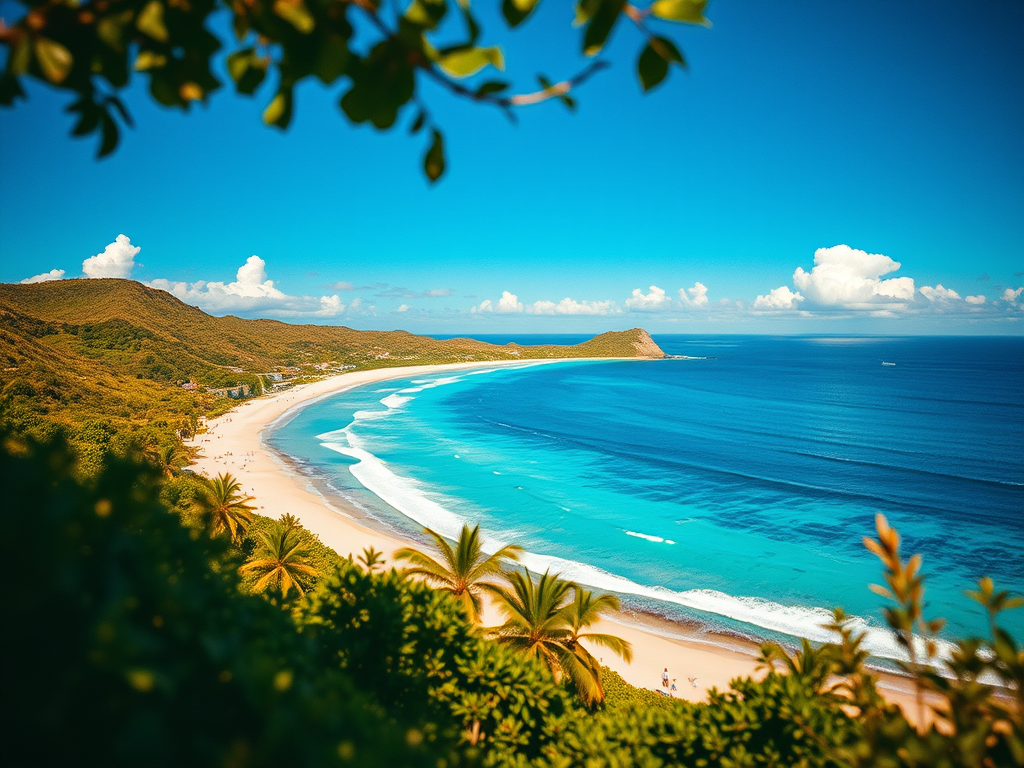
Barbados is small only if one measures a nation by land. By land, Barbados is compact: elegant, exposed, highly legible on a map. By ocean, Barbados is vast. Its sovereign sea is not a backdrop to the national story. It is the largest asset on the national balance sheet.
That is the Barbados proposition. The country’s future will not be determined by whether it can become bigger. It will be determined by whether it can make the financial system intelligent enough to value what Barbados already is: an ocean state, a climate-vulnerable economy, a democratic society, a tourism power, a moral voice, and an emerging laboratory for the instruments of the climate age.
For most nations, innovative finance is a technical specialty. For Barbados, it is something more serious. It is sovereign strategy.
Dear Barbados,
You are small enough to be underestimated and precise enough to change the room. You did not ask the world to admire your beaches. You asked the world to understand your balance sheet.
You looked at the ocean and saw not scenery, but capital. You looked at debt and saw not only obligation, but design. You looked at vulnerability and refused to accept that the correct response was charity.
That is why your importance is not measured in square kilometres. It is measured in the number of financial assumptions you have forced the world to revisit.
Yours in design,
Perfect Nations™
The ocean is not the setting. It is the asset.
The old development story called Barbados a small island developing state. That phrase is true, but incomplete. It measures exposure more easily than agency. It captures vulnerability more easily than value. It sees the island, but not the sovereign sea.
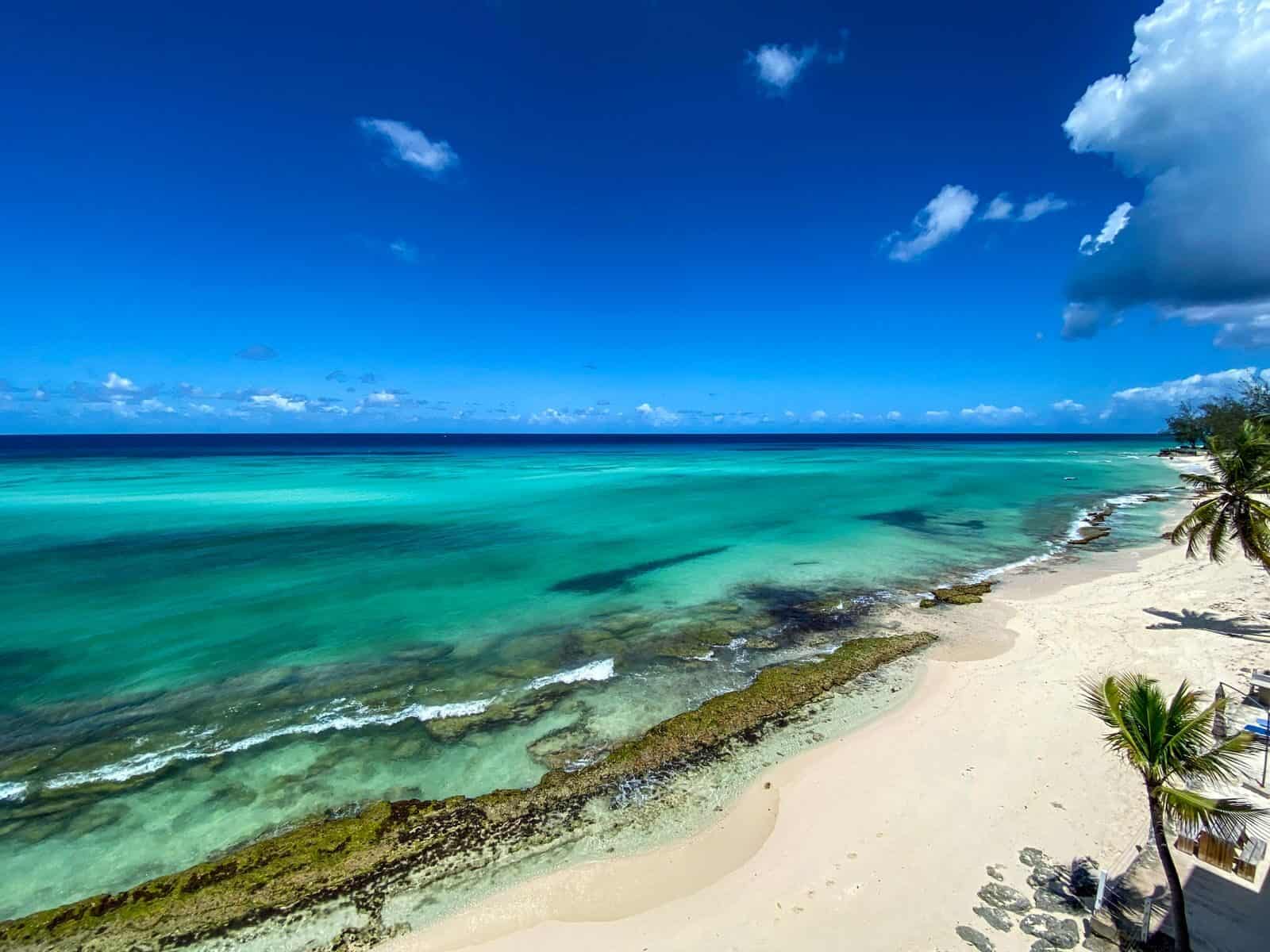
A better reading begins with the ocean. Barbados’ Exclusive Economic Zone is many times larger than its land territory. That ocean contains reefs, fisheries, tourism value, blue carbon possibilities, coastal protection, biodiversity, and the intangible authority of a nation that understands the climate crisis not as theory, but as lived macroeconomics.
The problem is not that Barbados lacks assets. The problem is that the world’s financial architecture is still poor at pricing them.
```
Vulnerability, honestly accounted for, is not merely a credit risk. It is a design failure in the pricing of survival.
Barbados did not ask for charity. It designed instruments.
The most important thing about Barbados’ climate finance strategy is its refusal to remain inside the vocabulary of appeal. The country has not simply said: we are vulnerable, therefore help us. It has said something more powerful: the current system is mispriced, misaligned, and outdated.
That is a very different argument. It shifts the discussion from generosity to architecture.
Barbados has shown that a climate-vulnerable sovereign can use debt design, guarantees, conservation finance, parametric insurance, and multilateral reform to change the way risk is allocated. The result is not one instrument. It is a portfolio of sovereign intelligence.
Debt-for-Nature Swap
Barbados’ debt-for-nature transaction is one of the clearest examples of conservation becoming fiscal strategy. The structure refinanced more expensive debt with lower-cost financing supported by credit enhancement, while savings were directed into marine conservation.
The deeper lesson is simple: if reefs protect the coastline, support tourism, shelter fisheries, and sustain biodiversity, then conservation is not a luxury expenditure. It is maintenance of national infrastructure.
Debt-for-Climate-Resilience
Barbados then moved from nature protection to hard adaptation. Its climate resilience financing created fiscal space for water and sewage resilience — precisely the type of practical infrastructure that determines whether climate finance touches real life.
This is where the elegance of the instrument matters less than the seriousness of the use. Water security is not an environmental theme. It is macroeconomic security, public health, food security, and household resilience.
Climate-Resilient Debt Clauses
Barbados has helped normalize a powerful idea: sovereign debt should contain shock absorbers. When a qualifying disaster strikes, debt service can be temporarily paused so that scarce liquidity can go to response and recovery.
This is not forgiveness. It is timing. And after a disaster, timing is everything. Liquidity that arrives early prevents suffering, reduces emergency borrowing, and protects long-term debt sustainability.
IMF Resilience and Sustainability Trust
Barbados’ early access to the IMF’s climate resilience financing placed adaptation where it belongs: inside the macroeconomic framework. Climate risk is not a side issue for environment ministries. It affects reserves, debt sustainability, fiscal space, insurance, infrastructure, agriculture, and growth.
Parametric Insurance
Parametric insurance pays when a pre-agreed trigger is met, such as wind speed, rainfall, or another measurable disaster condition. Its value is speed. For a small island economy, the most expensive money is often the money that arrives too late.
The Bridgetown Initiative
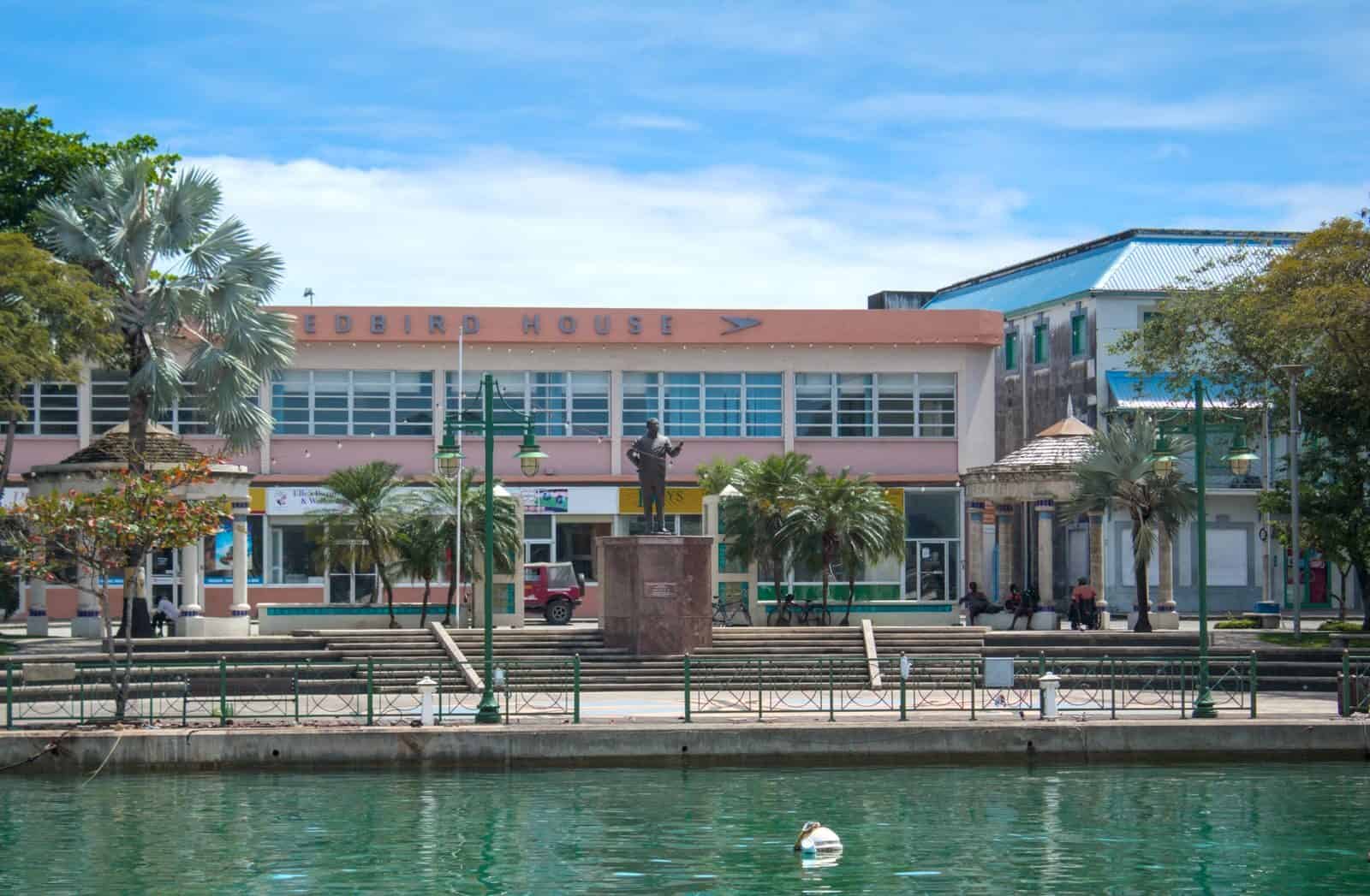
The Bridgetown Initiative is Barbados’ greatest act of financial diplomacy. It did not merely call for more money. It called for a different system: more liquidity, more concessional capital, better use of multilateral balance sheets, disaster clauses, climate risk reform, and a fairer architecture for countries facing losses they did little to create.
Turn exposure into design. Turn design into capital.
Barbados’ method is disciplined. It begins with the asset, not the need. It asks what the country already has that the market has failed to value. Then it identifies the liability: debt service, disaster exposure, water insecurity, infrastructure vulnerability, or the high cost of capital.
Once the asset and liability are visible, the instrument can be designed.
| National Asset | Financial Problem | Possible Instrument |
|---|---|---|
| Ocean and reefs | Conservation is underfunded | Blue bond, debt-for-nature swap, reef insurance |
| Climate credibility | High cost of adaptation capital | Guarantee-backed resilience loan |
| Tourism economy | Revenue exposed to climate shocks | Parametric insurance and contingency liquidity |
| Water systems | Drought, sewage, and infrastructure stress | Sustainability-linked climate resilience finance |
| Moral authority | Unfair global risk pricing | Bridgetown Initiative and MDB reform advocacy |
This is why Barbados matters. It is not simply closing transactions. It is teaching a method of sovereign financial design.
The Barbados Formula
Ocean assets plus climate credibility plus smart debt design plus multilateral guarantees plus measurable resilience outcomes can lower the cost of capital and increase national resilience.
Barbados should now move from transactions to a platform.
Barbados has already done enough to be admired. But admiration is not the goal. Transformation is the goal.
The next step is to convert Barbados’ innovative finance record into a national capital architecture: a coherent platform through which investors, multilaterals, philanthropies, insurers, and citizens can understand the country’s resilience priorities and finance them at scale.
1. A Blue Balance Sheet
Barbados should publish a national blue balance sheet that values reefs, fisheries, coastal protection, marine biodiversity, blue carbon potential, tourism dependency, and the avoided losses generated by healthy ecosystems.
2. A Barbados Resilience Investment Platform
The country should organize its investable pipeline around water reuse, grid modernization, distributed solar, battery storage, coastal protection, resilient housing, reef restoration, climate-smart agriculture, and sustainable tourism infrastructure.
3. A Sovereign Blue Bond 2.0
A next-generation blue bond could finance the full ocean economy: coral restoration, marine protected area management, sustainable fisheries, wastewater systems that reduce reef pollution, ocean data, blue carbon science, and coastal resilience.
4. A Reef Resilience Insurance Facility
Barbados’ reefs should be treated as natural infrastructure. A parametric reef insurance product could provide fast post-storm funding for coral repair, debris removal, and reef restoration.
5. A Household Resilience Dividend
The ultimate test of innovative finance is whether it reduces vulnerability for Barbadian households. A national resilience dividend could track reductions in water insecurity, electricity costs, food import exposure, disaster recovery time, insurance pressure, and housing vulnerability.
```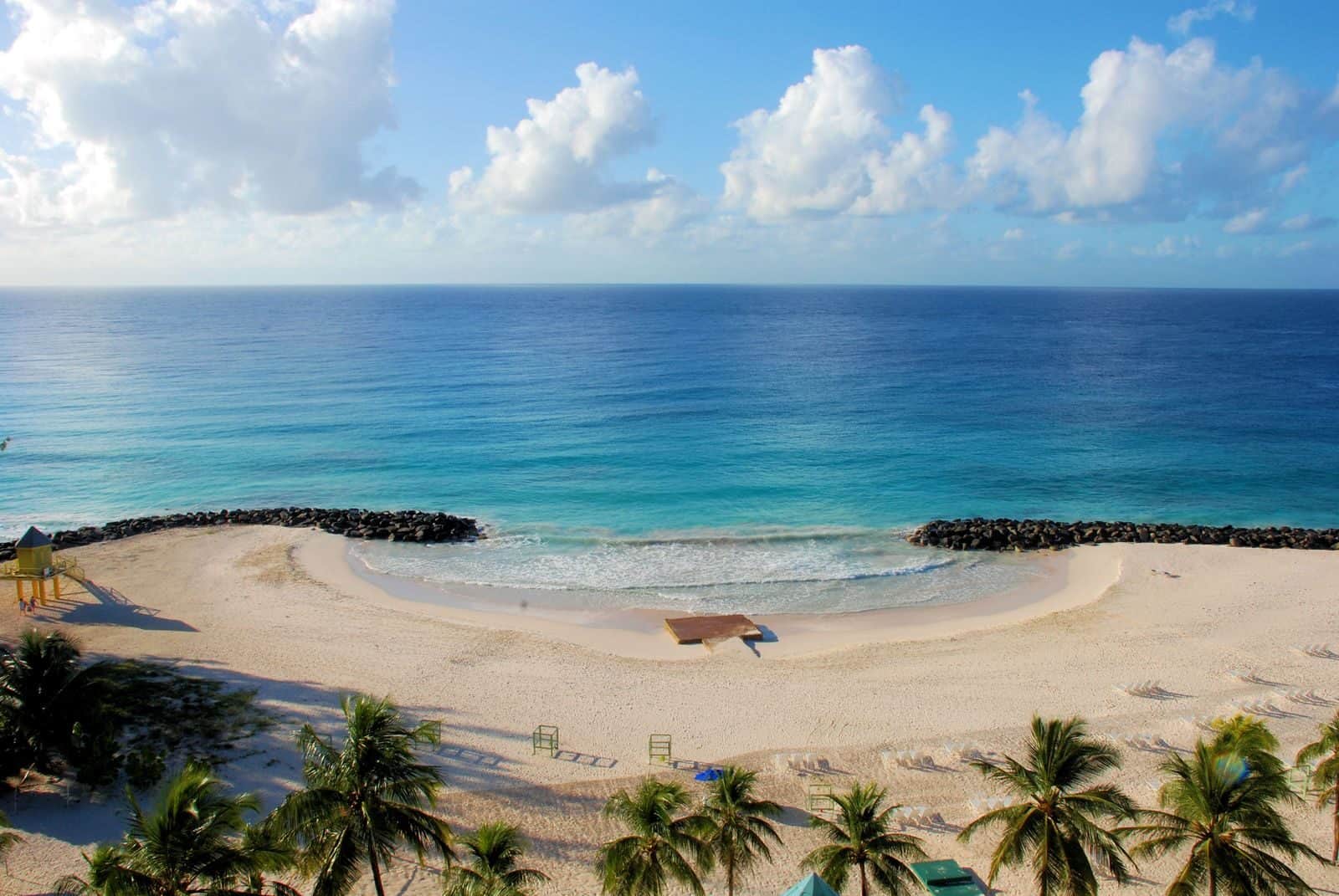
Barbados is where the future sovereign market is being prototyped.
The old sovereign market priced countries through debt ratios, growth rates, reserves, fiscal balances, and external accounts. Those variables still matter. But the climate age adds new questions.
Can the country absorb shocks? Does its debt pause after disasters? Are natural assets protected or depleted? Is water security improving? Is tourism infrastructure climate-proofed? Are households more resilient? Is the energy system less dependent on imported fuel? Can the sovereign convert vulnerability into investable transition?
Barbados is one of the few countries already answering these questions through actual instruments.
The world should not look at Barbados and see a small island asking for help. It should see the future of sovereign finance.
The island as architect.
Barbados is important because it has exposed the intellectual poverty of a system that still treats climate vulnerability as a borrower problem rather than a design problem.
A country can protect reefs, modernize water systems, buy insurance, pursue renewable energy, and maintain fiscal discipline — and still be charged too much for capital because the system does not properly price avoided catastrophe.
That is the market failure Barbados is correcting.
```
Barbados is not merely borrowing. Barbados is designing.
It is designing a way for sovereign debt to breathe after disaster. It is designing a way for reefs to become financeable infrastructure. It is designing a way for climate vulnerability to be understood not as weakness, but as a claim on a fairer system.
This is why Barbados belongs at the centre of the Perfect Nations imagination. It proves that a country does not need vast land, military power, or a trillion-dollar economy to change global finance.
It needs clarity. It needs courage. It needs instruments. And it needs the discipline to turn moral authority into capital architecture.