You have been called a graveyard of empires so often that the phrase has nearly replaced your name. I want to write to you about something else: you are also one of the oldest continuously inhabited crossroads on earth, sitting at the exact point where Central Asia, South Asia, and the Persian world have traded silk, lapis, ideas, and blood for three thousand years. That position was never a curse. It was always a kind of wealth no ledger has fully priced.
This blueprint has to be honest about the moment it is written in. Nearly four million girls are barred from school past the sixth grade. Half a country has faced acute hunger in recent years. The institutions a national blueprint would normally finance directly — a ministry, a treasury, a public utility — are, for now, not partners this design can work through. So this document works around that, the way the World Bank and the UN system already have: every instrument below moves through agencies and trusts that answer to donors and to Afghans, not to a ministry.
Here is what will not be quietly adjusted to fit current circumstances: this design guarantees Education, in full, to every Afghan child. Not as a negotiating chip, not as a future aspiration contingent on political change — as the standard itself, stated in full, waiting for the day the country can receive it. A blueprint that lowered its own standard to match a restriction would have nothing left worth calling a blueprint.
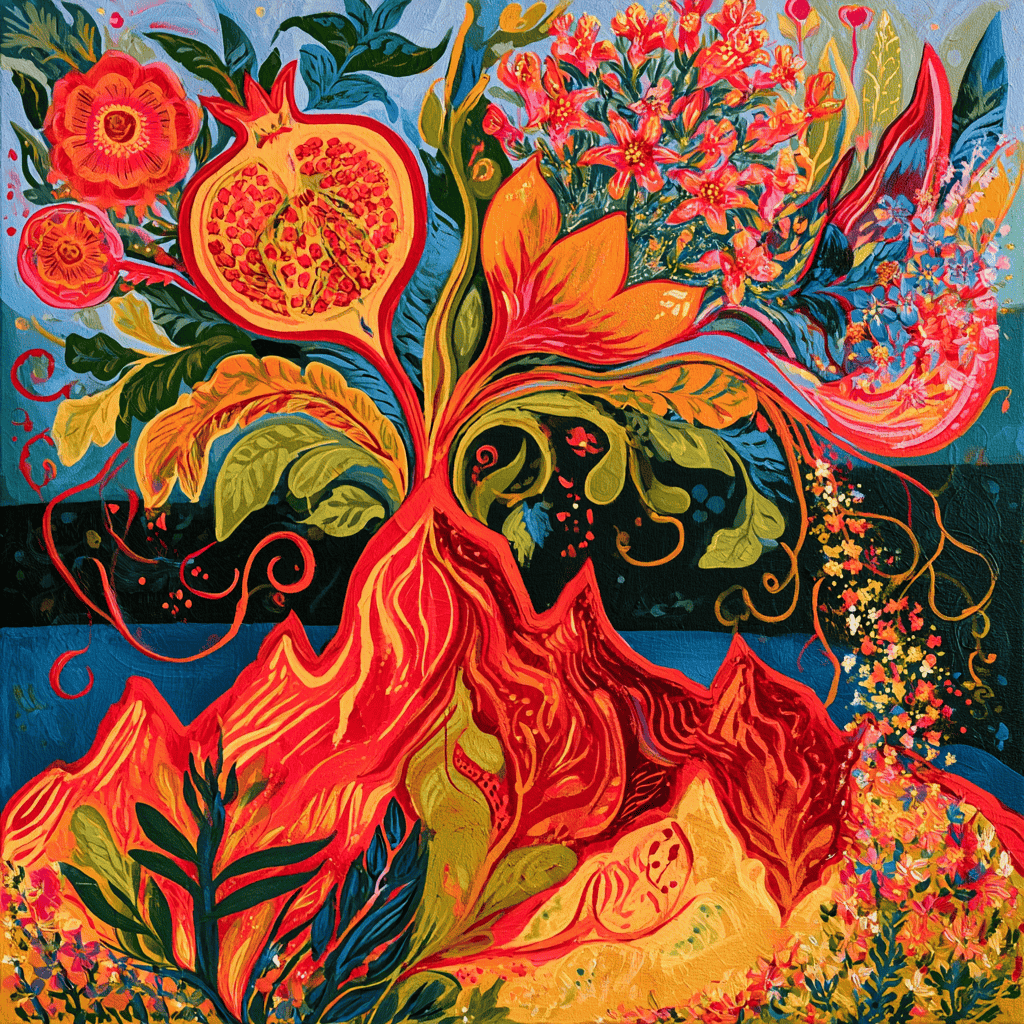
Beneath that, the argument for what you could build is not a small one. You may hold more than a trillion dollars in untapped copper, lithium, and rare earth deposits. You grow pomegranates prized from Kandahar to international markets. You sit on the only viable overland corridor connecting Central Asian hydropower and gas to the energy-starved population centers of South Asia — and two of those corridors, CASA-1000 and the TAPI pipeline, are under construction through your territory right now.