

Nestled in southeastern Africa, Malawi is often called the Warm Heart of Africa, a phrase that captures both the beauty of the country and the remarkable spirit of its people. From the shimmering expanse of Lake Malawi to fertile agricultural land, cultural richness, peaceful civic life, and a youthful population, Malawi holds a collection of national assets whose value extends far beyond conventional economic accounting.
Too often, countries are measured only by the scale of their current GDP. But nations are also built on human trust, natural systems, geographic gifts, cultural coherence, and future capability. Malawi offers a compelling case for a broader view of value: one in which natural resources, social stability, renewable energy potential, biodiversity, and demographic dynamism together form the basis of long-term prosperity.
The question is not whether Malawi has strategic assets. It clearly does. The more important question is how those assets can be connected, financed, protected, and elevated into a stronger national economic architecture.
Malawi’s future strength may lie as much in the warmth of its people and the integrity of its national fabric as in the resources of its land and lake.

Ten Strategic Assets That Shape Malawi’s Future
Malawi’s strengths are diverse. Some are already producing measurable economic value, while others are less tangible but equally important in shaping the country’s long-term trajectory. Together, they form a national portfolio of opportunity.
Lake Malawi
Lake Malawi is among the country’s most important natural assets. Renowned for its biodiversity and clear waters, it supports fishing, tourism, ecosystem services, and national identity.
Tourism and National Warmth
Malawi’s reputation for friendliness and hospitality is not a minor cultural detail. It is a real national advantage that strengthens tourism, welcomes visitors, and shapes the country’s global image.
Fertile Agricultural Land
Agriculture remains the backbone of Malawi’s economy. Fertile soils, favorable growing conditions, and deep agricultural knowledge make this one of the country’s foundational productive assets.
Rich Cultural Heritage
Malawi’s music, dance, crafts, traditions, and diverse communities are not only sources of identity. They are also assets for tourism, creative industry development, and national cohesion.
National Parks and Biodiversity
Natural parks such as Liwonde National Park and the Nyika Plateau add ecological, tourism, and conservation value. They also position Malawi within the growing global economy of nature protection and eco-tourism.
Minerals
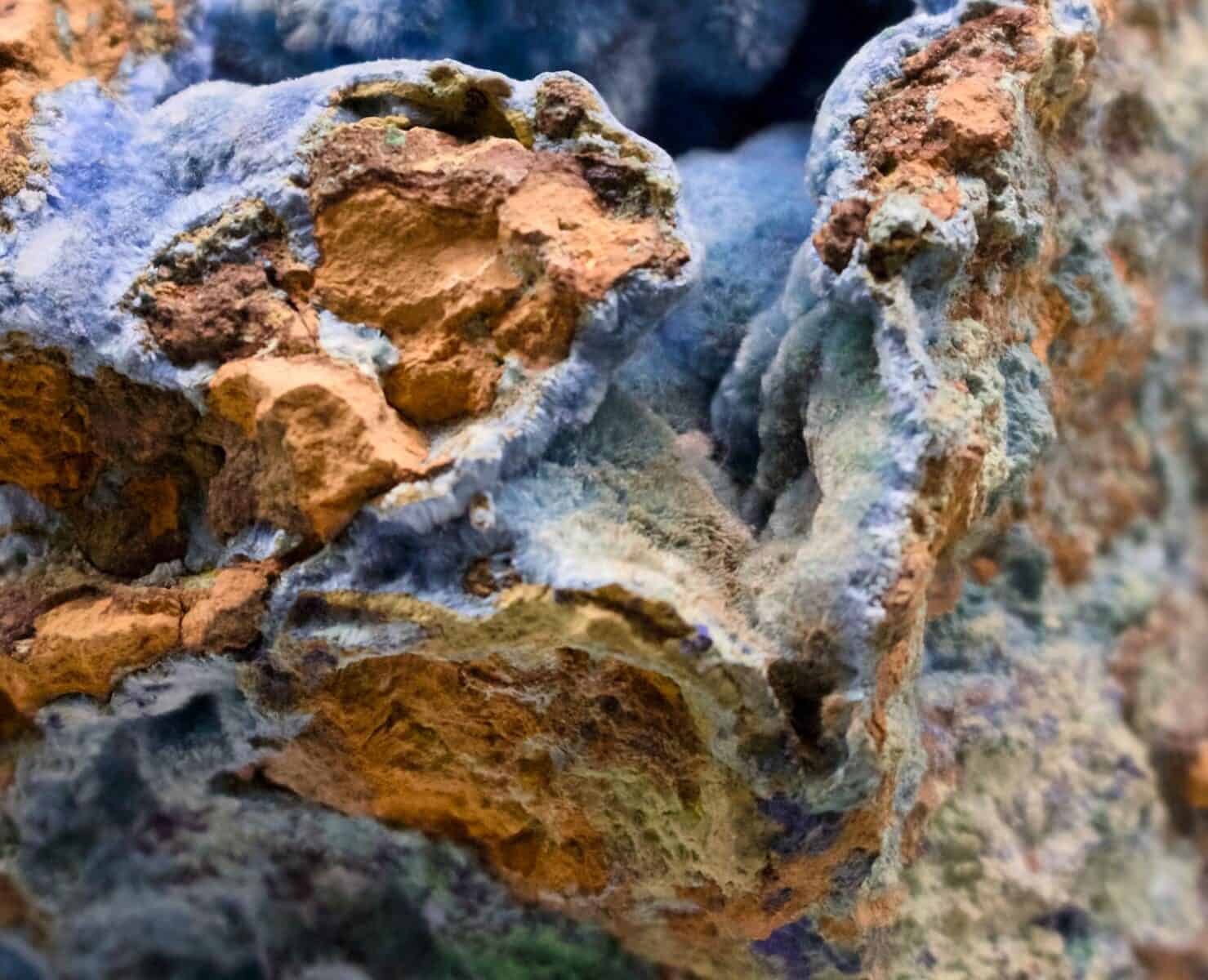
Malawi holds deposits of uranium, coal, rare earth elements, and gemstones. While the mining sector remains relatively small, the strategic significance of these resources could grow substantially over time.
Peace and Stability
In a fragmented and volatile world, political peace and social stability are powerful national assets. Malawi’s reputation for calm civic life supports investment, trust, and long-term development planning.
Fisheries
Beyond Lake Malawi itself, the country’s aquatic systems contribute to food security, local livelihoods, and national income. Fisheries remain a vital intersection of ecology and economy.
Renewable Energy Potential
Malawi has substantial long-term potential in hydropower, solar, wind, and biomass. Energy transition investment could become one of the country’s most important future growth stories.
Youthful Population
A young population is one of Malawi’s most important future assets. With the right investments in education, health, and jobs, this demographic profile could become a major driver of growth and renewal.
How Malawi Could Convert Assets into Stronger National Architecture
Protect Natural Capital
Lake systems, parks, biodiversity, and fertile land must be treated not as passive scenery but as productive national capital requiring stewardship and intelligent investment.
Invest in Human Capability
Malawi’s youthful population can become a growth engine only if matched by serious investments in education, health, digital opportunity, and dignified employment.
Build an Integrated Economy
Agriculture, tourism, fisheries, energy, and future mineral development should not evolve in isolation. Their real power lies in being connected through strategy, infrastructure, and finance.
A Broader Definition of Wealth
Malawi’s wealth lies not only in its natural resources, but in the character of its people, the beauty of its landscapes, the resilience of its communities, and the promise of its youth. These are not sentimental qualities. They are strategic national assets.
In a narrow accounting model, some of these strengths appear intangible. But in the architecture of a thriving nation, they matter profoundly. Hospitality shapes tourism. Stability lowers risk. Cultural vitality deepens identity. Water, land, and biodiversity support both livelihoods and future industries. Young people, if empowered, become the authors of the next national chapter.
Malawi does not need to invent its strengths. It needs to recognize them clearly, steward them wisely, and build the institutional and financial structures that allow them to generate broader and more durable prosperity.